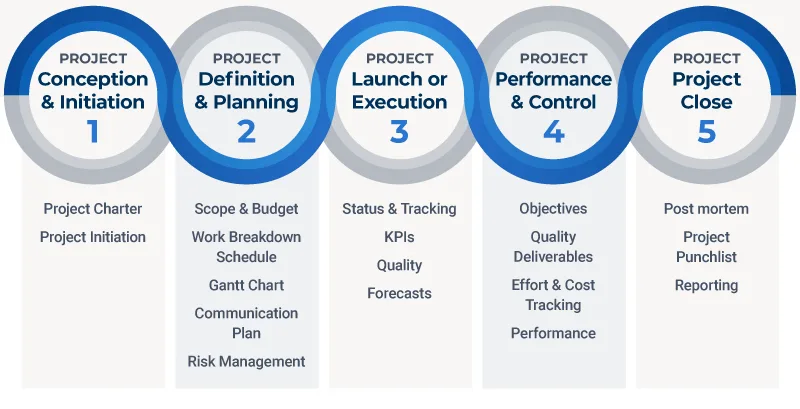
As a leader in the field of electrical engineering, I have gained valuable insights into the world of project management. Through my experience and PMP certification from Caltech, I have discovered the immense impact that effective project management tools, templates, and resources can have on the success of a project. In this guide, I will share the most essential elements of project management, providing actionable advice for both novice and experienced project managers.
First and foremost, it is crucial to understand the core components of project management: scope, time, cost, quality, human resources, communications, risk, procurement, and integration. The Project Management Institute (PMI) provides a wealth of resources, including the Project Management Body of Knowledge (PMBOK) Guide, which outlines best practices and industry standards. Familiarizing yourself with these concepts will lay a strong foundation for your project management journey.
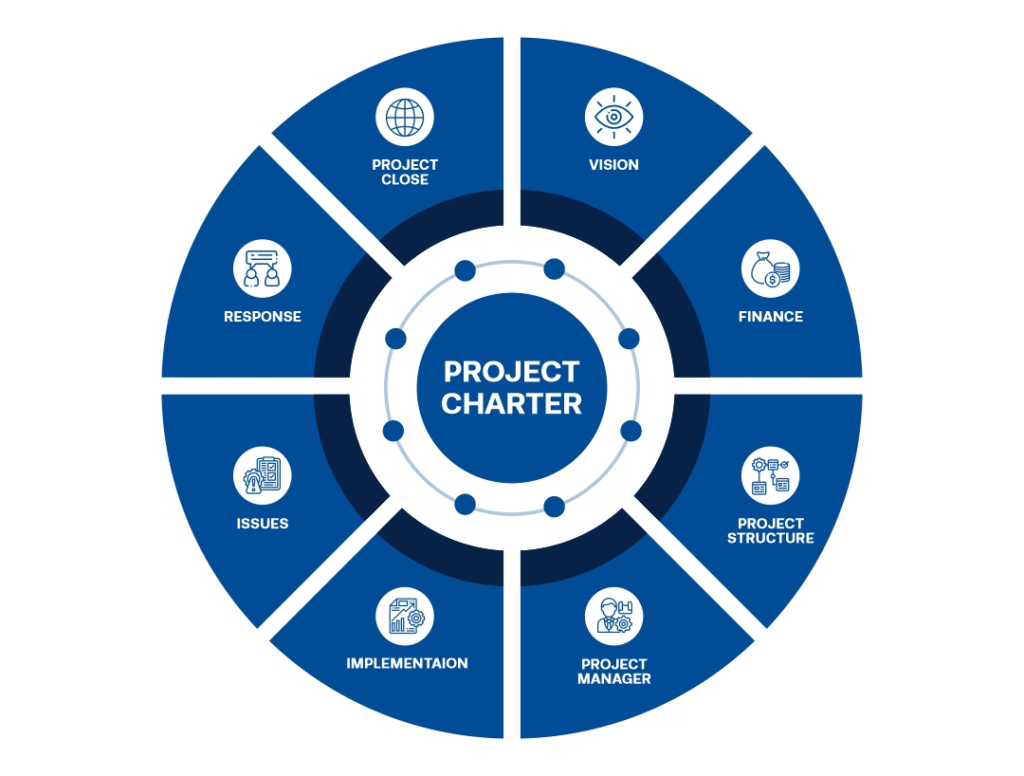
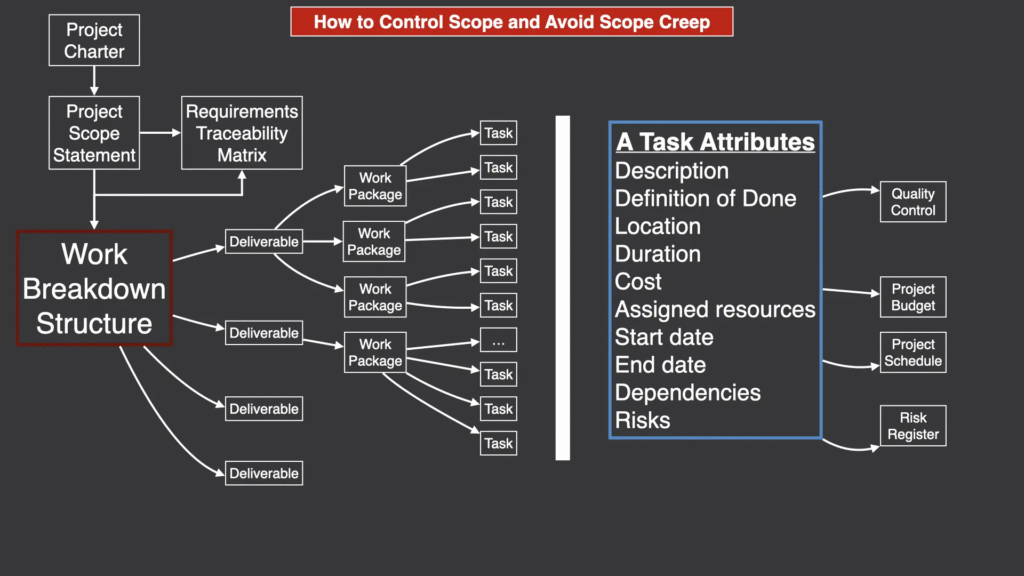
To effectively initiate a project, start by developing a Project Charter. This document serves as a high-level overview of the project’s objectives, scope, stakeholders, and deliverables. Tools like Smartsheet and Microsoft Project or Word can help you create professional Project Charters quickly. Next, create a Work Breakdown Structure (WBS) to decompose the project into manageable tasks and subtasks. The WBS should be comprehensive, including all necessary work packages to complete the project successfully.
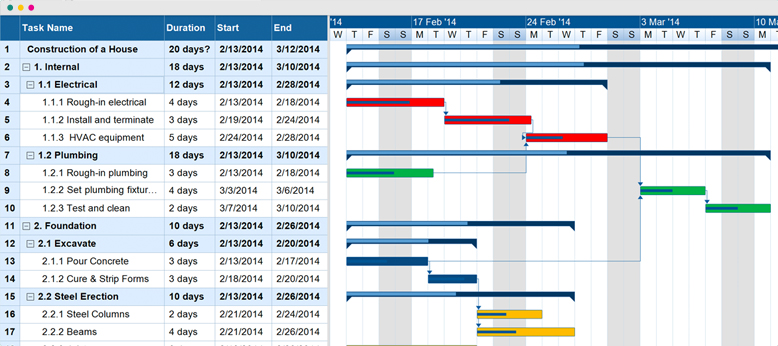
Effective project scheduling is essential for meeting deadlines and managing resources efficiently. Utilize Gantt charts to visualize the project timeline, dependencies, and milestones. Microsoft Project and Primavera P6 are powerful tools for creating and managing project schedules. Additionally, the Critical Path Method (CPM) helps identify the sequence of activities that determine the project’s duration, allowing you to prioritize tasks and allocate resources accordingly.

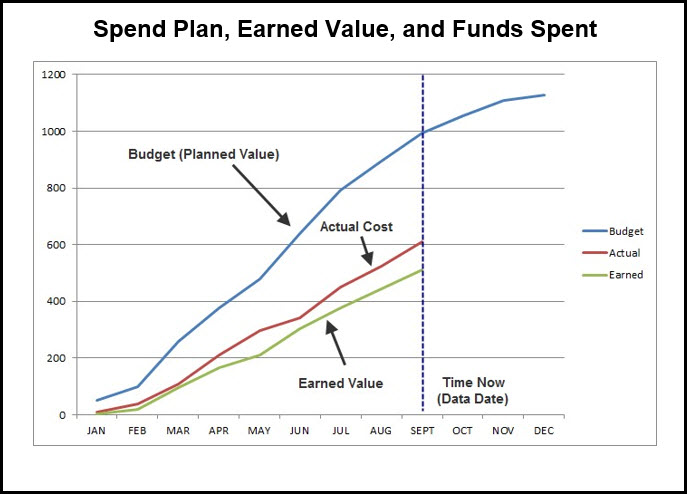
Cost management is a critical aspect of project management. Develop a detailed project budget using templates available in Excel or specialized software like Primavera P6. Regularly monitor and control costs using Earned Value Management (EVM) techniques, which integrate scope, schedule, and cost data to provide a comprehensive view of project performance. Tools like Deltek Cobra can automate EVM calculations and generate insightful reports.
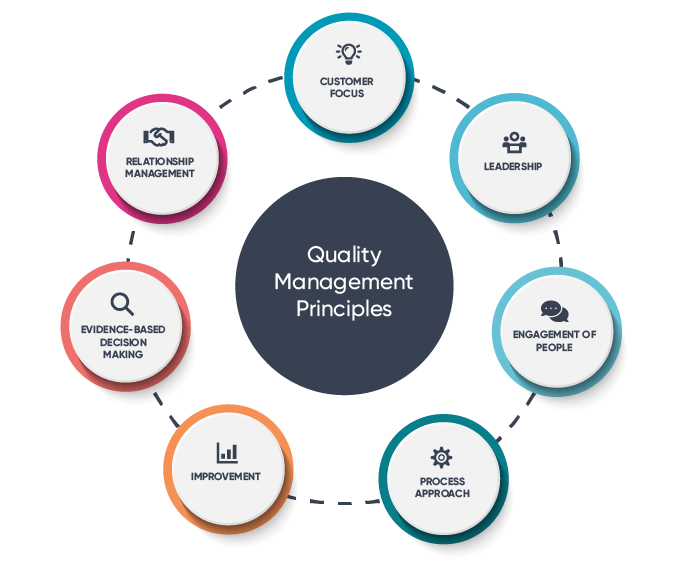
Quality management ensures that project deliverables meet the required standards and customer expectations. Implement quality assurance processes, such as regular inspections, audits, and testing. Utilize tools like Minitab or Six Sigma to analyze quality data and identify areas for improvement. Additionally, consider obtaining quality management certifications, such as Six Sigma or ISO 9001, to enhance your expertise and credibility.
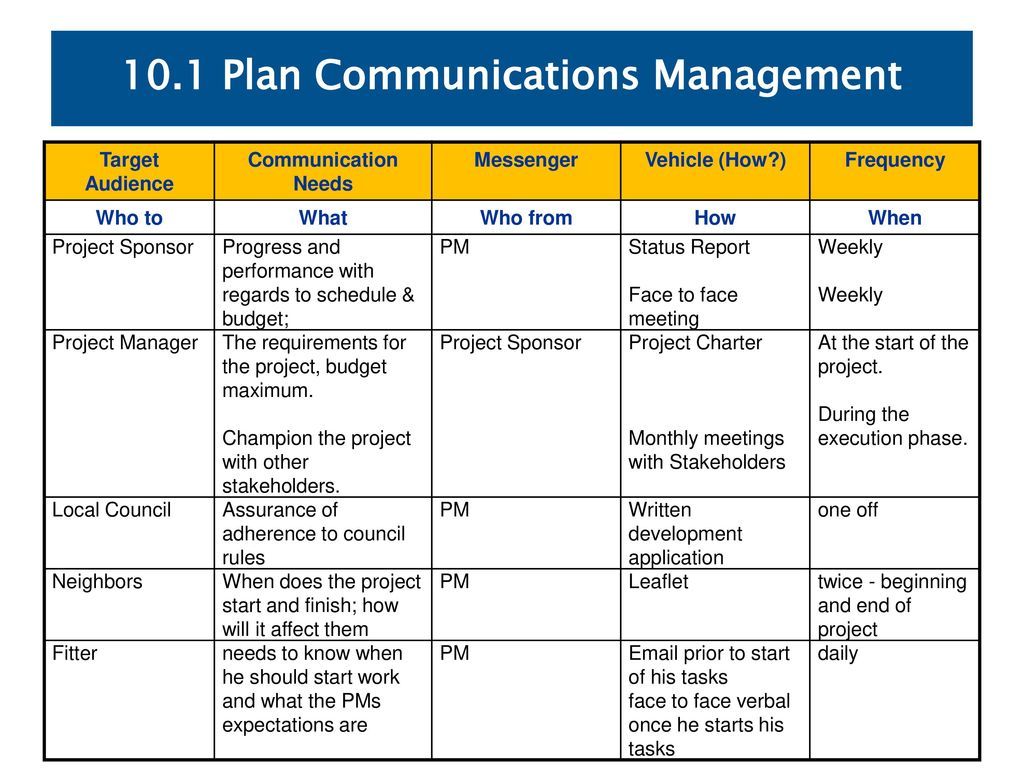
Effective communication is vital for successful project management. Develop a comprehensive Communication Management Plan that outlines the communication channels, frequency, and methods for engaging stakeholders. Use collaboration tools like Slack, Microsoft Teams, or Asana to facilitate seamless communication and information sharing among team members. Regular status reports, stakeholder meetings, and project dashboards help keep everyone informed and aligned.
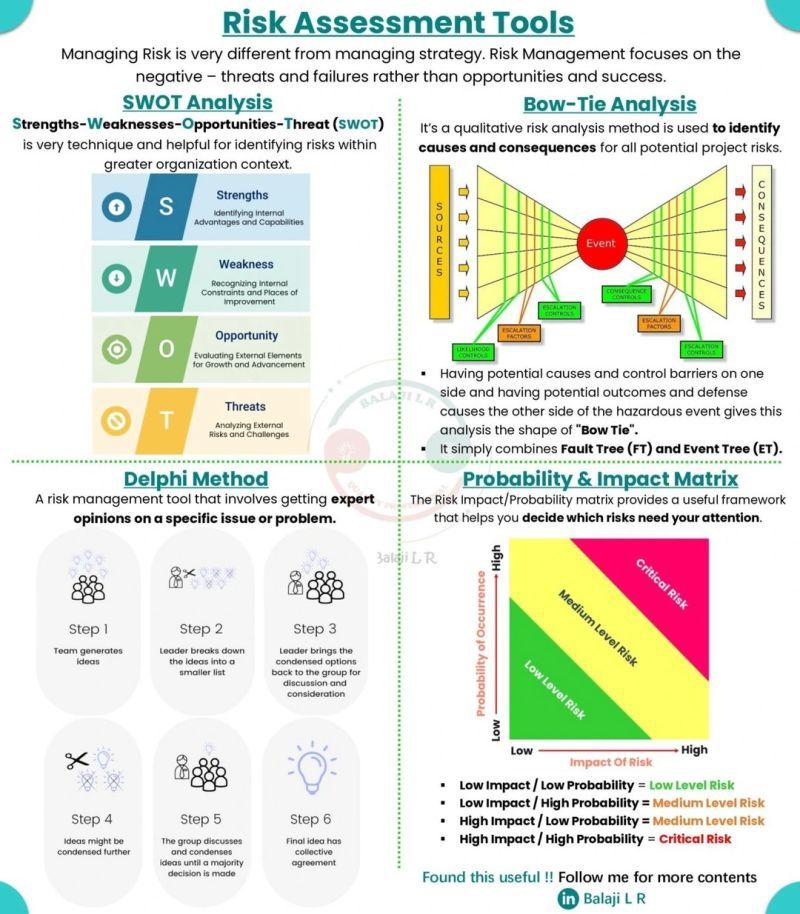
Risk management is an integral part of project management. Identify potential risks early in the project lifecycle and develop a Risk Management Plan. Use risk assessment tools like SWOT analysis or the Delphi technique to prioritize risks based on their likelihood and impact. Implement risk response strategies, such as risk avoidance, mitigation, or transfer, to minimize the potential impact on the project. Tools like @RISK or Oracle Primavera Risk Analysis can help quantify and simulate project risks.
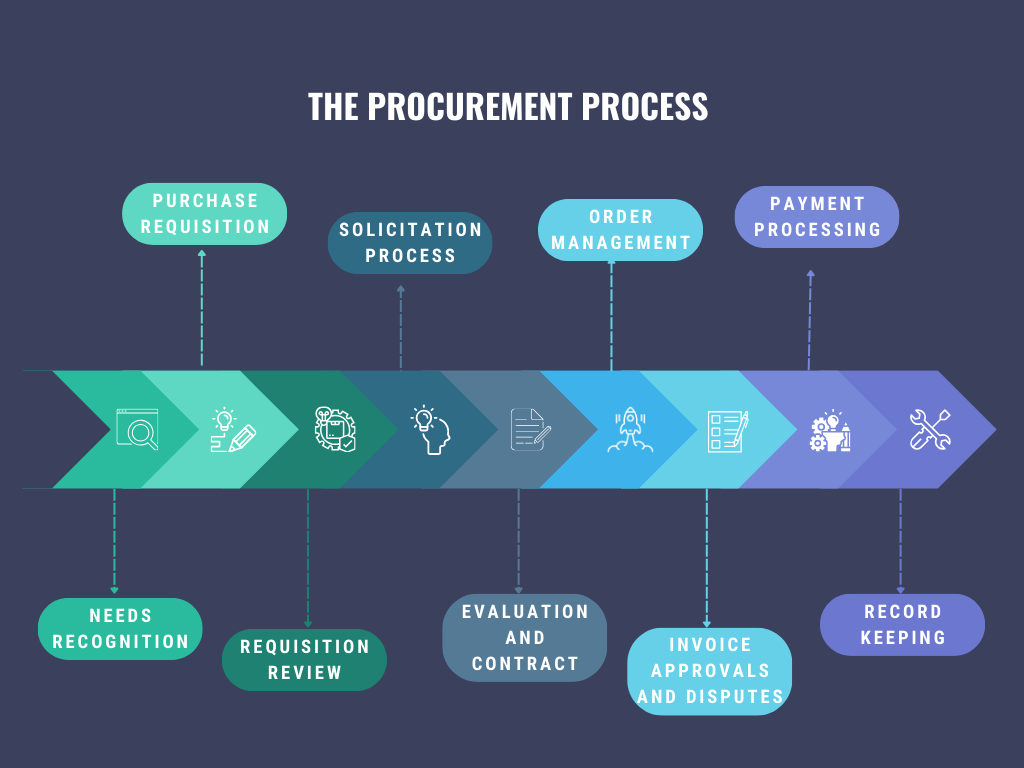
Procurement management involves the acquisition of goods and services needed for the project. Develop a Procurement Management Plan that outlines the procurement process, selection criteria, and contract management approach. Use tools like SAP Ariba or Oracle Procurement Cloud to streamline the procurement process, manage supplier relationships, and ensure compliance with organizational policies and regulations.
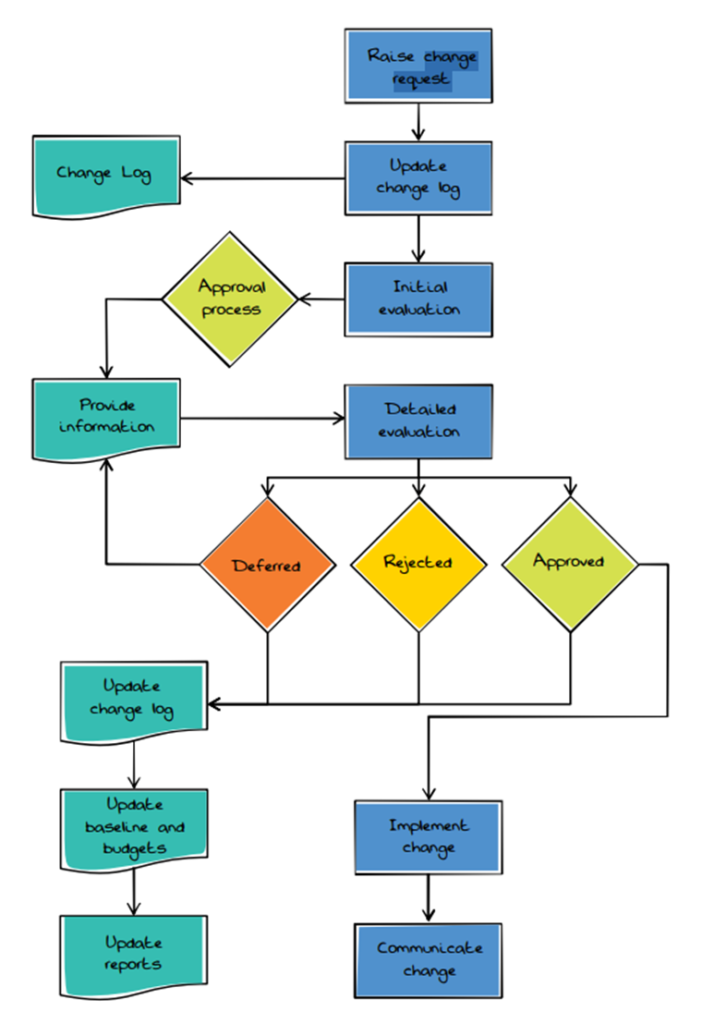
Integration management ensures that all project elements work together seamlessly. Regularly monitor and control the project using tools like Earned Value Analysis (EVA) and Integrated Change Control (ICC). Conduct regular project audits and performance reviews to identify areas for improvement and ensure alignment with project objectives. Use project management software like Jira or Asana to centralize project information, track progress, and generate real-time reports.
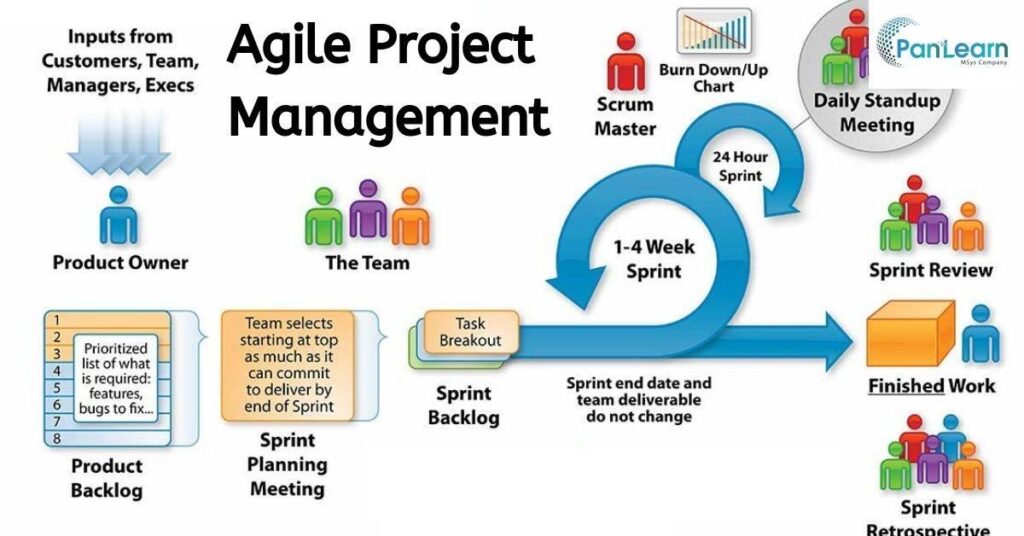
To further enhance your project management skills, consider pursuing additional certifications, such as the PMI Agile Certified Practitioner (PMI-ACP) or the Certified Scrum Master (CSM). These certifications demonstrate expertise in agile methodologies, which are increasingly popular in today’s fast-paced business environment.
Continuously invest in your professional development by attending workshops, webinars, and conferences to stay updated with the latest trends and best practices in project management.
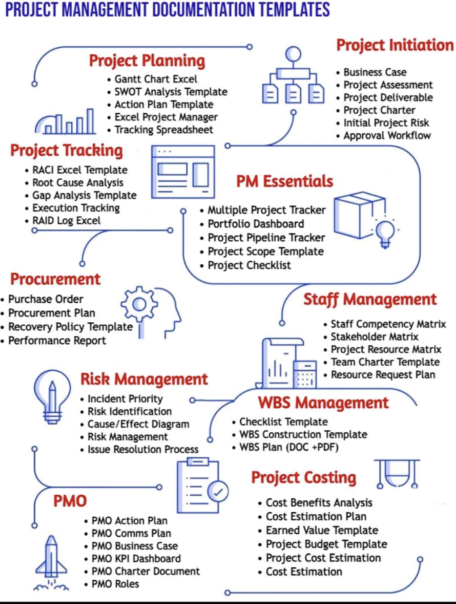
In conclusion, effective project management is a critical skill for leaders across all industries. By mastering the tools, templates, and resources outlined in this guide, you can elevate your project management capabilities and drive successful project outcomes. Remember, project management is an ongoing learning process, and the key to success lies in continuous improvement and adaptation. As you embark on your project management journey, embrace the challenges, learn from your experiences, and strive to deliver exceptional results that exceed stakeholder expectations.
Trusted Tools & Services
I genuinely use these every day. If you sign up through these links, we both get a win.
Affiliate Disclosure: Some of the links below are affiliate links. If you click through and make a purchase or sign up, I may earn a commission at no additional cost to you. I only recommend products I personally use and believe in.
Travel & Lifestyle
Empower
Instead of Uber or Lyft, book your next ride through Empower and get $10+ in free rides when you sign up using promo code: 3ZFXT6.
Uber
Get 50% off your first 2 rides (up to $10 each). Perfect for your next trip or night out.
Lyft
Get 50% off your first 2 rides. A great alternative for reliable transportation.
ClassPass
Get 20 bonus credits for free (on top of the standard free trial) to try out local fitness studios and wellness spas.
Investing & Trading
M1 Finance
Get a $75 bonus when you sign up and fund a new investment account with at least $100.
Robinhood
Get a free stock (worth up to $200) just for signing up and linking your bank account.
Fidelity
Open a Fidelity account and get $100 when you deposit $50. Commission-free investing in stocks, ETFs, and retirement accounts from a trusted brokerage.
Webull
Get up to 20 free stocks when you fund your account with any amount (even just $0.01).
Coinbase & Coinbase One
Get $10 in Bitcoin after you trade $100, plus a $10 discount on your first month of Coinbase One.
Kalshi
Get a $25 bonus to start trading on real-world events like weather, interest rates, or elections.
Banking & Cards
Chase Sapphire Reserve® & Preferred®
Earn a massive sign-up bonus (75k-125k points) which can be redeemed for over $1,000 in travel through Chase Travel℠.
Chase Business Cards
Earn up to 200,000 bonus points or $1,000 cash back to jumpstart your business expenses.
Wealthfront
Join me at Wealthfront and we both earn a +0.75% APY boost, 0.50% investing deposit match — or both. Limited time offer!
Monarch Money
Get an extended 30-day free trial (instead of the usual 7) to organize and track all your financial accounts in one place.
MaxRewards
Supercharge your credit card rewards and perks. New users get a free month of MaxRewards Gold to automate offer activations and maximize points. Use code: lp528
Venmo
Get $5 for free after you sign up and make a qualifying payment of at least $5.
AI & Tech
